Product Design
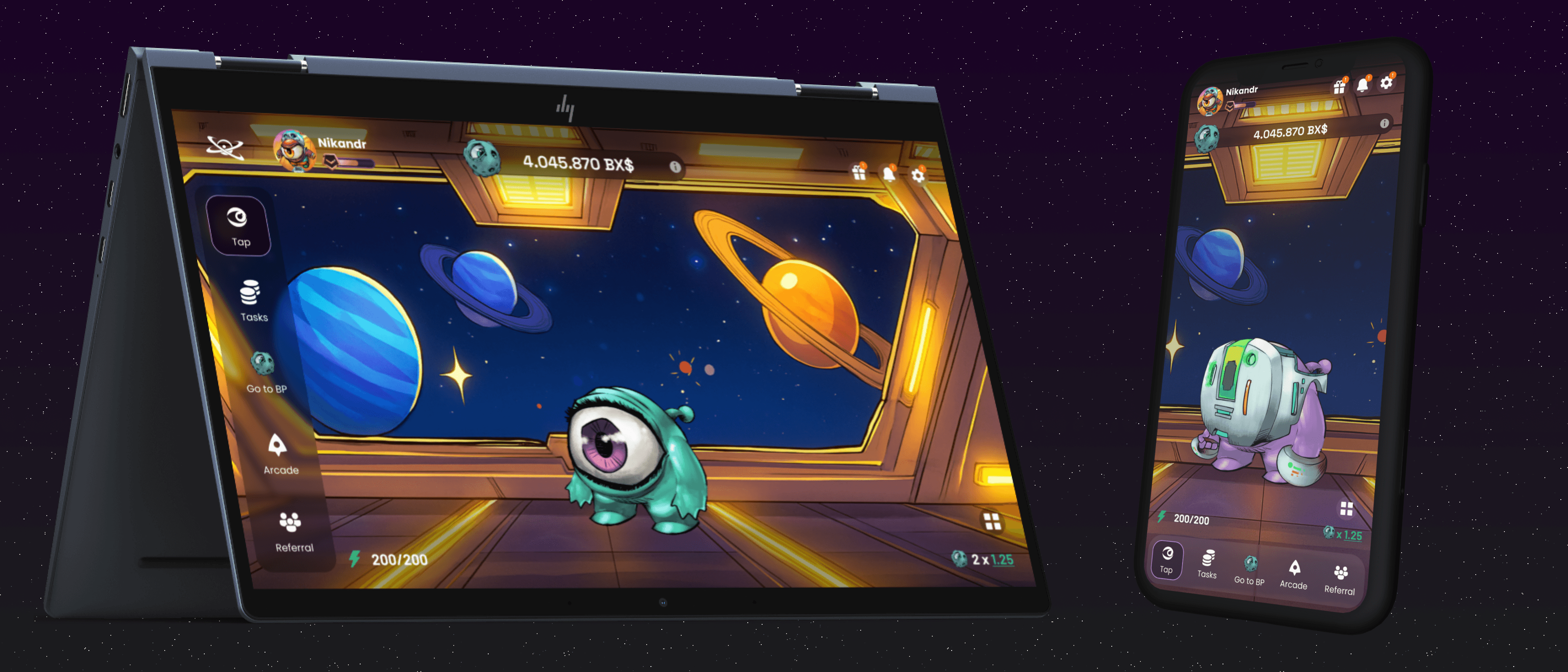
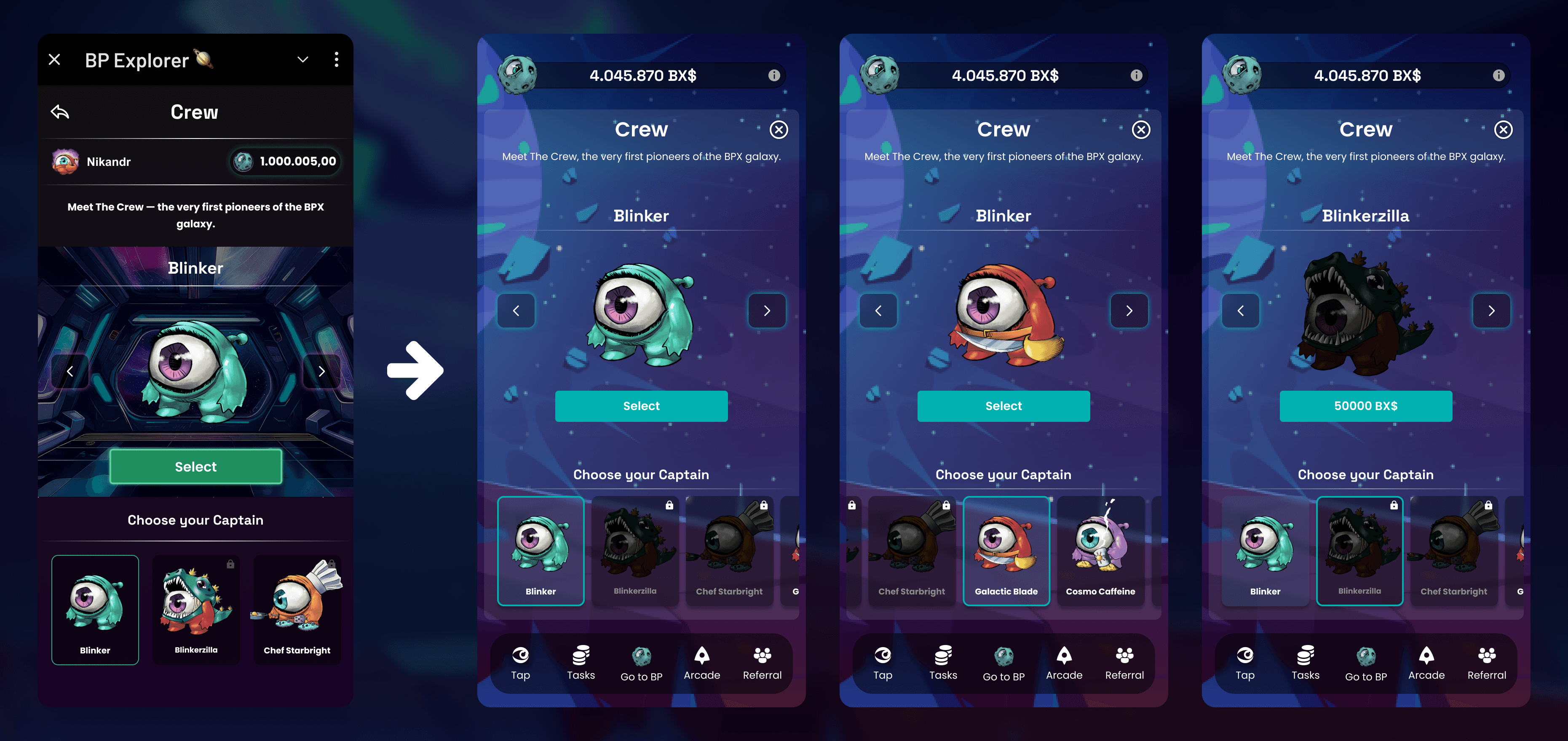
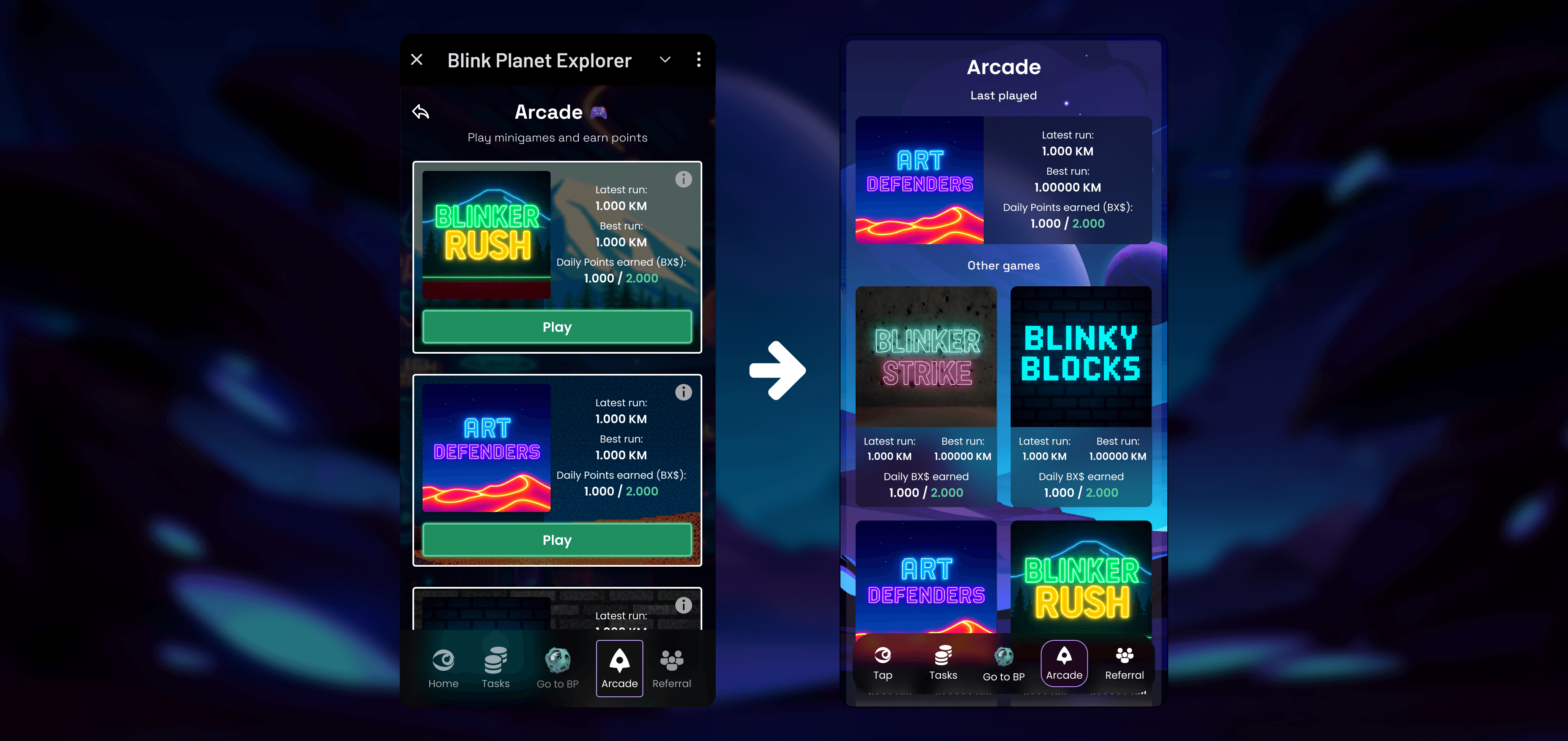
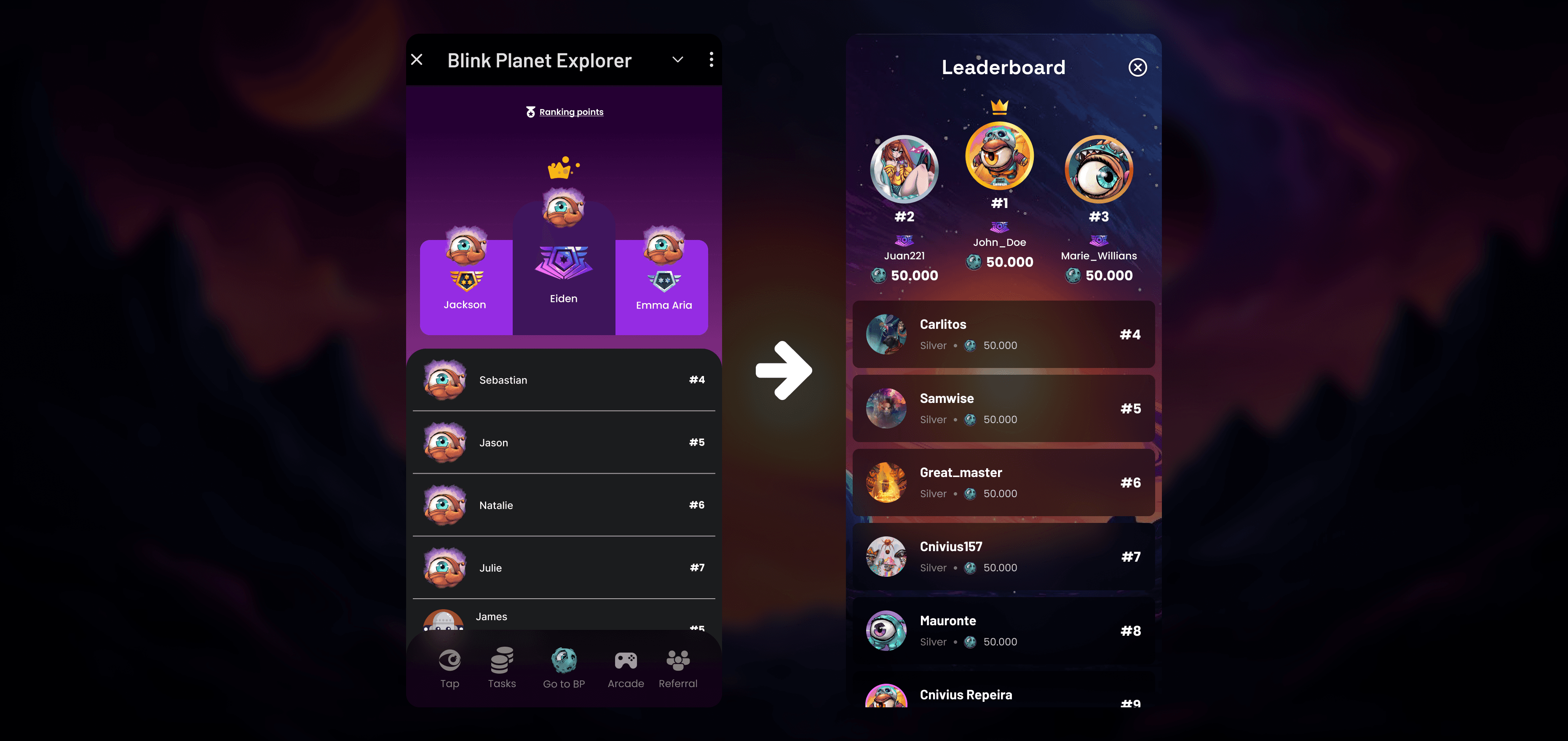
A comprehensive redesign transitioning the BPX ecosystem from an MVP to a high-fidelity platform, optimizing information architecture and visual hierarchy for long-term scalability.
Performance Metrics
25%
Increase in conversion rates
35%
increase in task success rate
15%
Decrease in user friction
Context
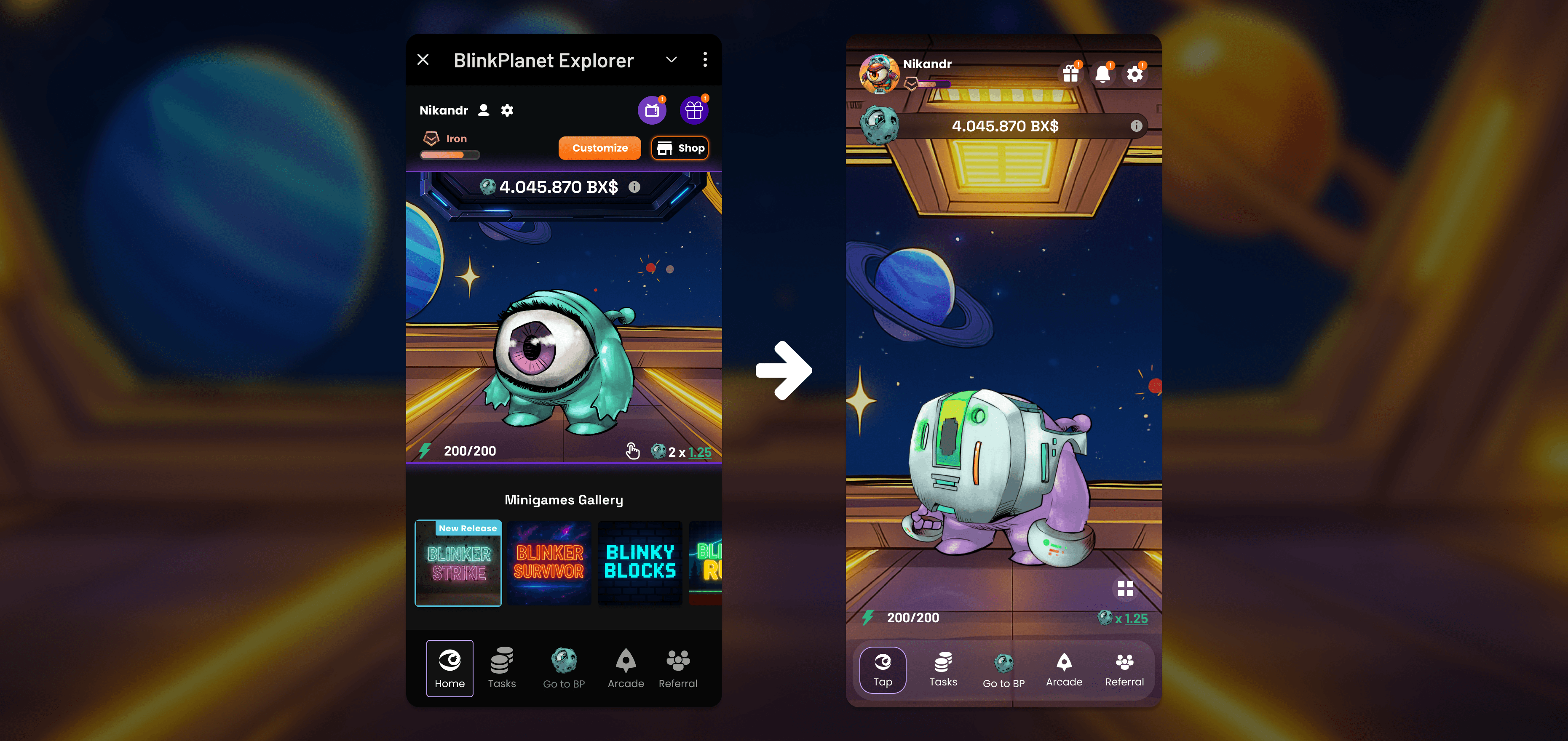
In 2024, the BlinkPlanet Explorer (BPX) launched as an MVP to validate gamification as a retention tool for Web3 communities. Following a successful validation phase with over 7,000 unique users, the product faced a critical turning point in 2025. The rapid addition of features post-launch resulted in a fragmented interface and inconsistent user flows. We identified that despite positive community feedback, the lack of visual polish and poor information architecture led to the underutilization of key features.
Business challenge
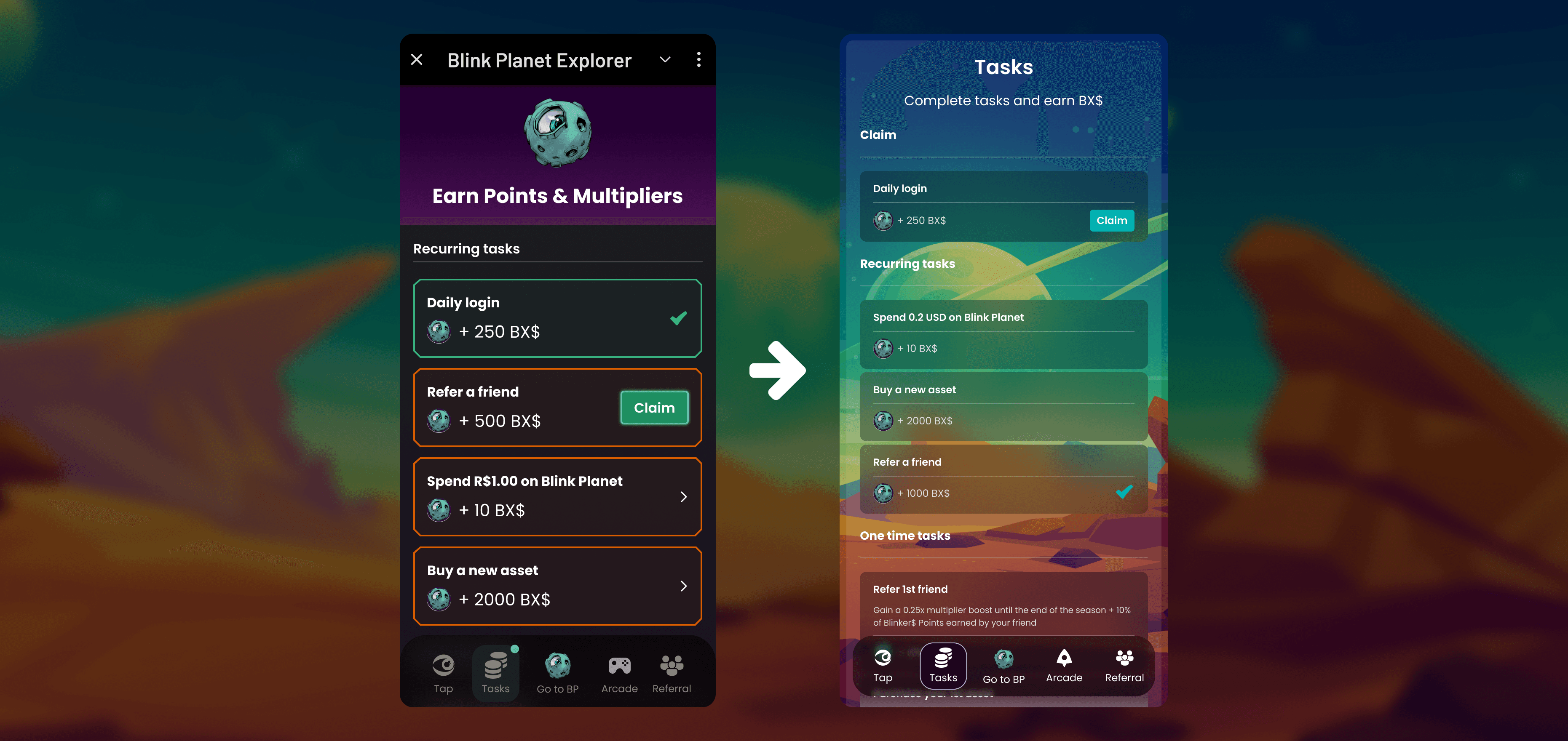
Our primary objective was to transition from a functional MVP to a high-fidelity, scalable product. Data from Mixpanel revealed that several core features were underutilized due to hidden entry points and high cognitive load. We needed to restructure the ecosystem to improve the perception of value and ensure that the growing complexity of the app did not compromise the user experience for both Web2 and Web3 audiences.
Process
We conducted extensive benchmarking of high-performance mobile games and Telegram Mini Apps to identify engagement patterns that resonated with the "gamer" demographic. Working alongside the Product Manager, I led the following actions:
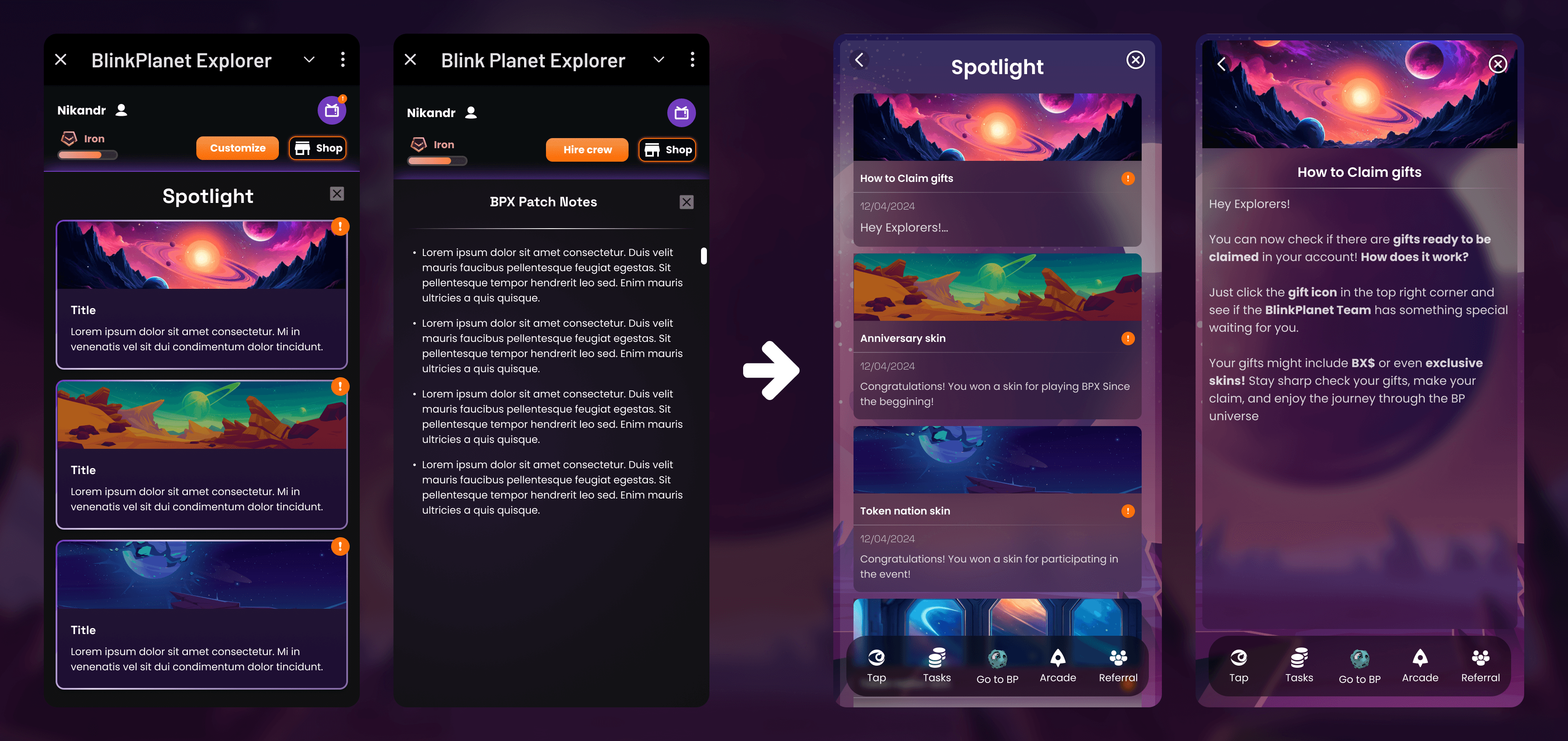
Inventory Audit: We mapped all existing features to identify those buried under the "MVP debt."
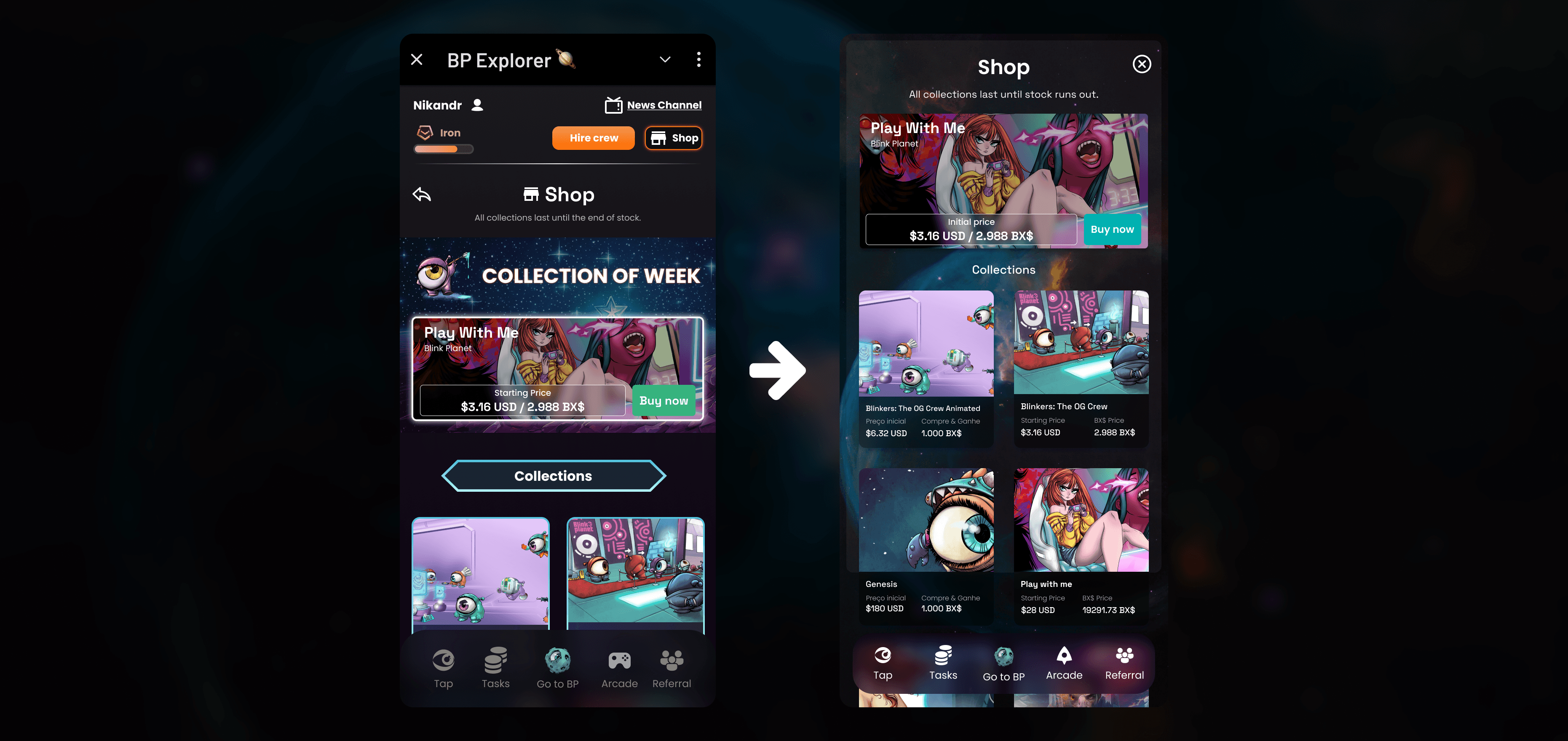
Systemic Redesign: I developed a new Design System from scratch, focusing on a "clean-gaming" aesthetic that reduced visual noise while maintaining the product's playful essence.
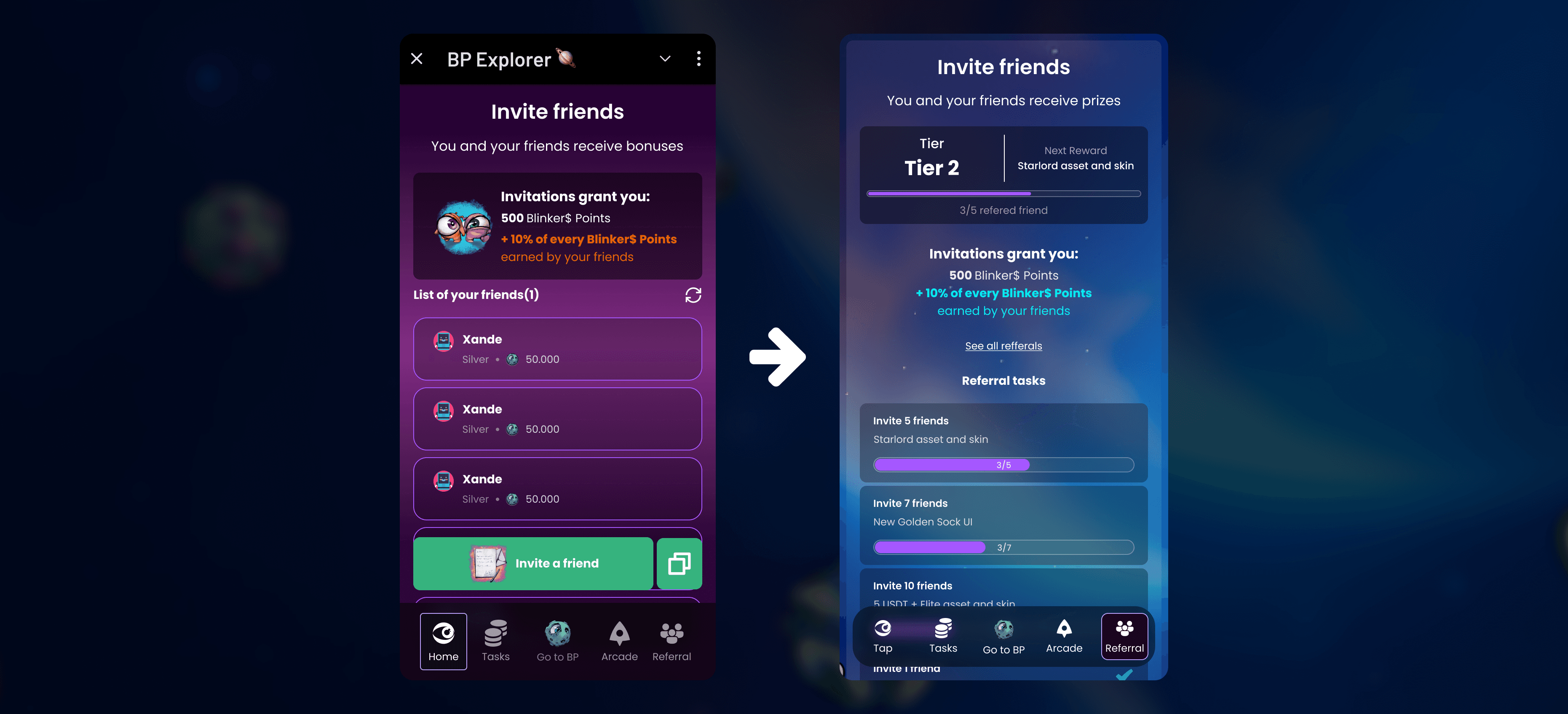
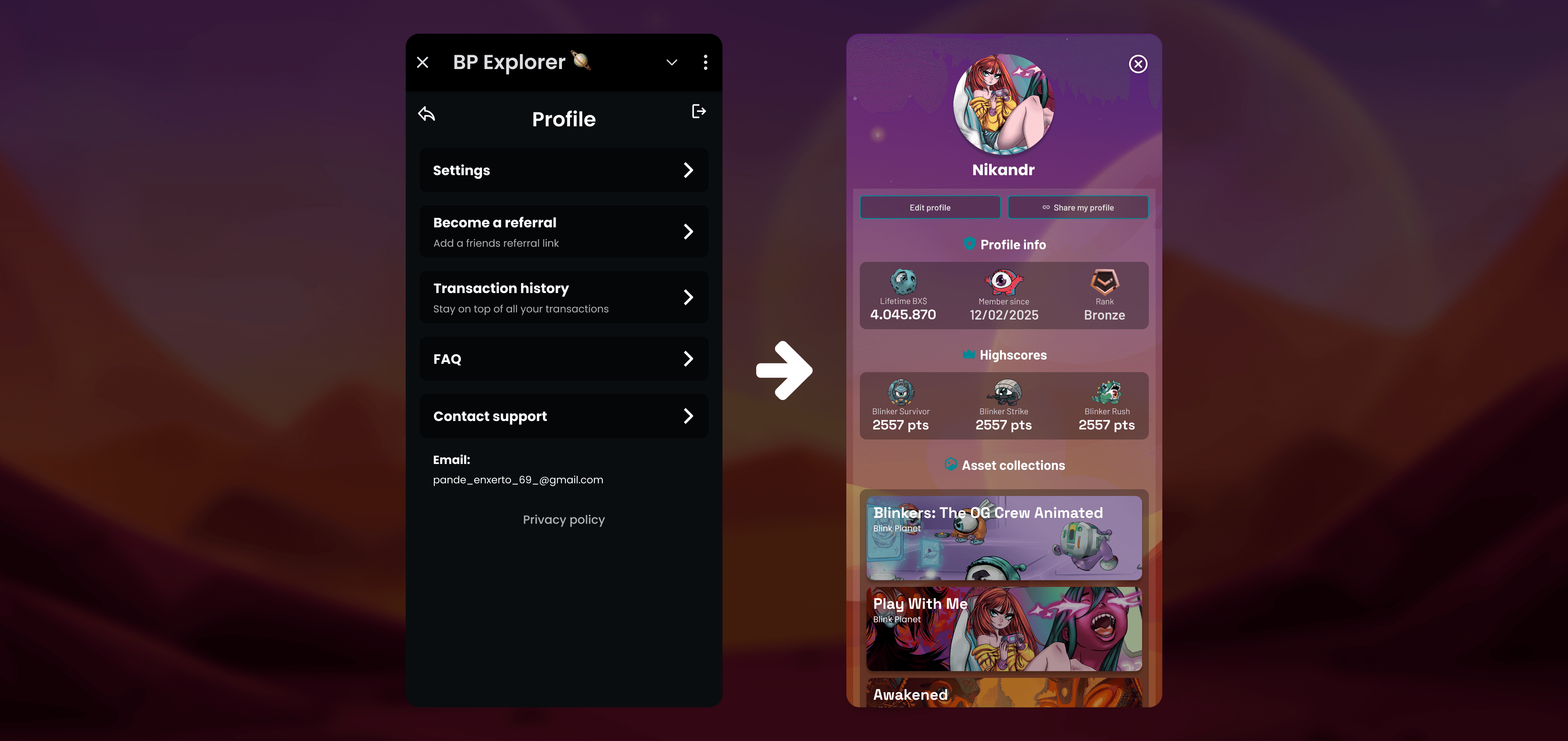
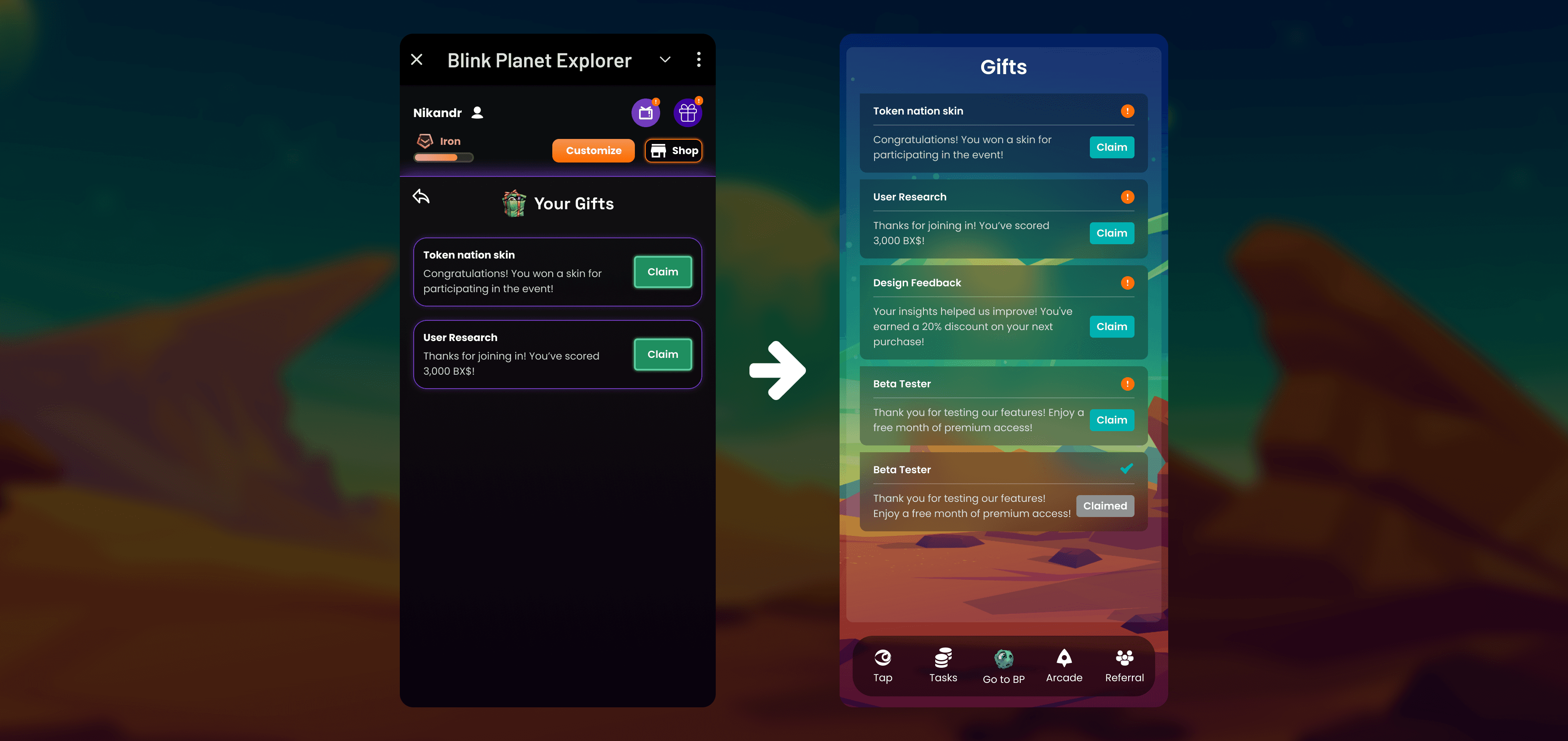
Feature Re-engineering: We prioritized the Referral and Profile systems. I personally proposed and designed the new Profile experience to introduce personalization and digital asset showcasing, shifting the focus from simple settings to social status.
Validation: We conducted weekly design critiques and internal alignment sessions with the Product Lead and stakeholders to ensure the new visual language supported the long-term business strategy.
Results
The redesign was delivered as a dev-ready prototype, validated through internal testing and data-driven projections. The final architecture optimized the user journey, resulting in significant performance gains measured in our staging environment:
25% Increase in conversion rates.
35% Increase in task success rate.
15% Decrease in user friction across core flows (Tap, Tasks, and Shop).
Learnings
We discovered that in gamified products, visual polish is directly tied to the "perceived value" of the rewards. By simplifying the UI and elevating the graphic quality of assets in the Profile and Shop, we observed higher intent of engagement even before adding new mechanics.
Next steps
The project roadmap included the expansion of the "Blinkers" universe through a dedicated web platform for lore and character progression, inspired by the Azuki ecosystem. We also planned to evolve the "tap-to-earn" mechanic into a more complex progression system to increase long-term retention beyond immediate financial rewards.